
HiDyn Zenodo Community established
Results of the Project (Deliverables, design files, Data Mangament Plan) are provided as a stable version via the repository Zenodo. The related to HiDyn are boundled in a Zenodo Community HiDyn https://zenodo.org/communities/hidyn
Implemented open source HDR algorithm
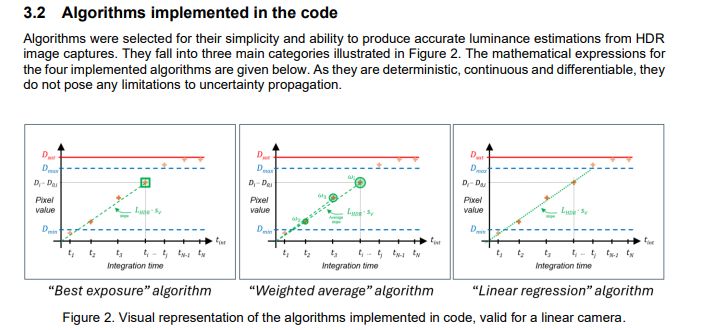
The consortium published a Report describing the implementation of an open source HDR algorithm for the generation of traceable luminance images, scaled to one or a few traceable spot measurements of the scene. The related Deliverable 5 document is available in the impact Section.
The implemented source code is made available under MIT licence and can be downloaded from GitHub: https://github.com/HiDyn-EURAMET-EPM-21NRM01/HDRmerge_HYDIN
Deliverables 2 and 3 finalized
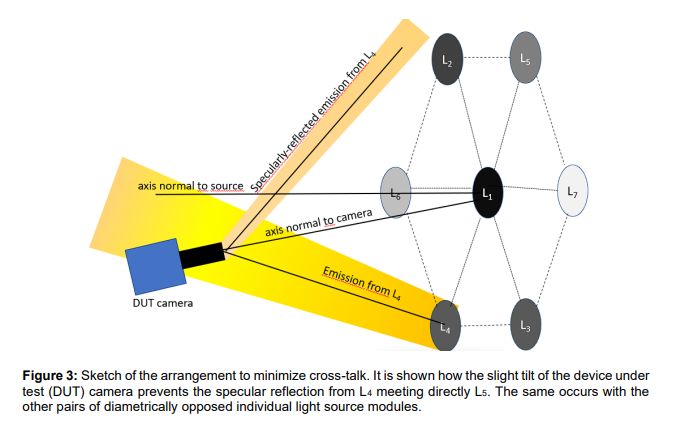
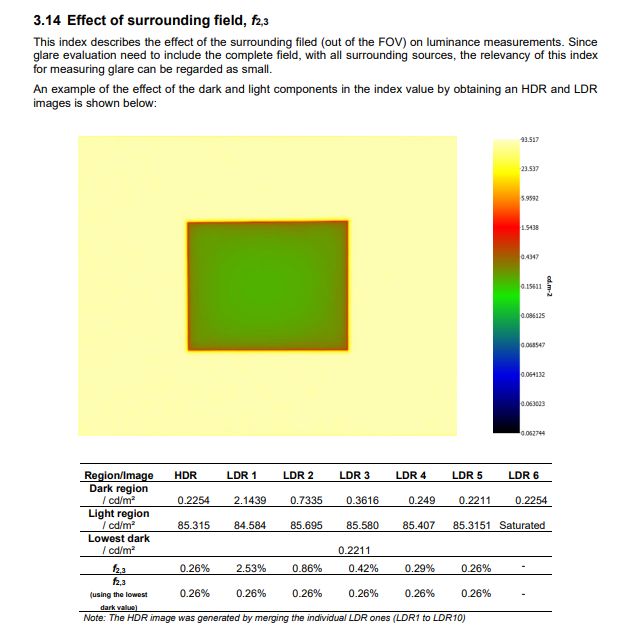
The consortium published a Good Practice Guide describing the characterisation of different HDR imaging instruments (Deliverable 2) and a Report on the relevance of existing quality indices and the need for new ones, specific to HDR imaging luminance measurement systems, for glare and obtrusive light assessment (Deliverable 3).
Both Delivarable documents are provided in the impact Section.
Deliverable 1: design of a high-contrast-luminance reference standard
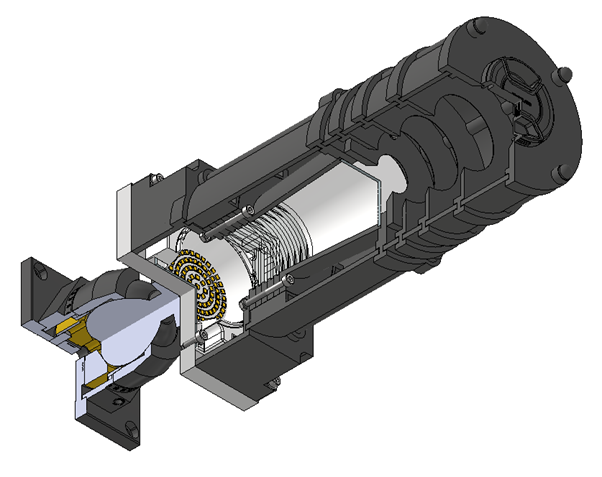
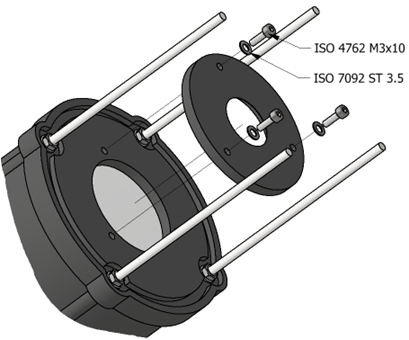
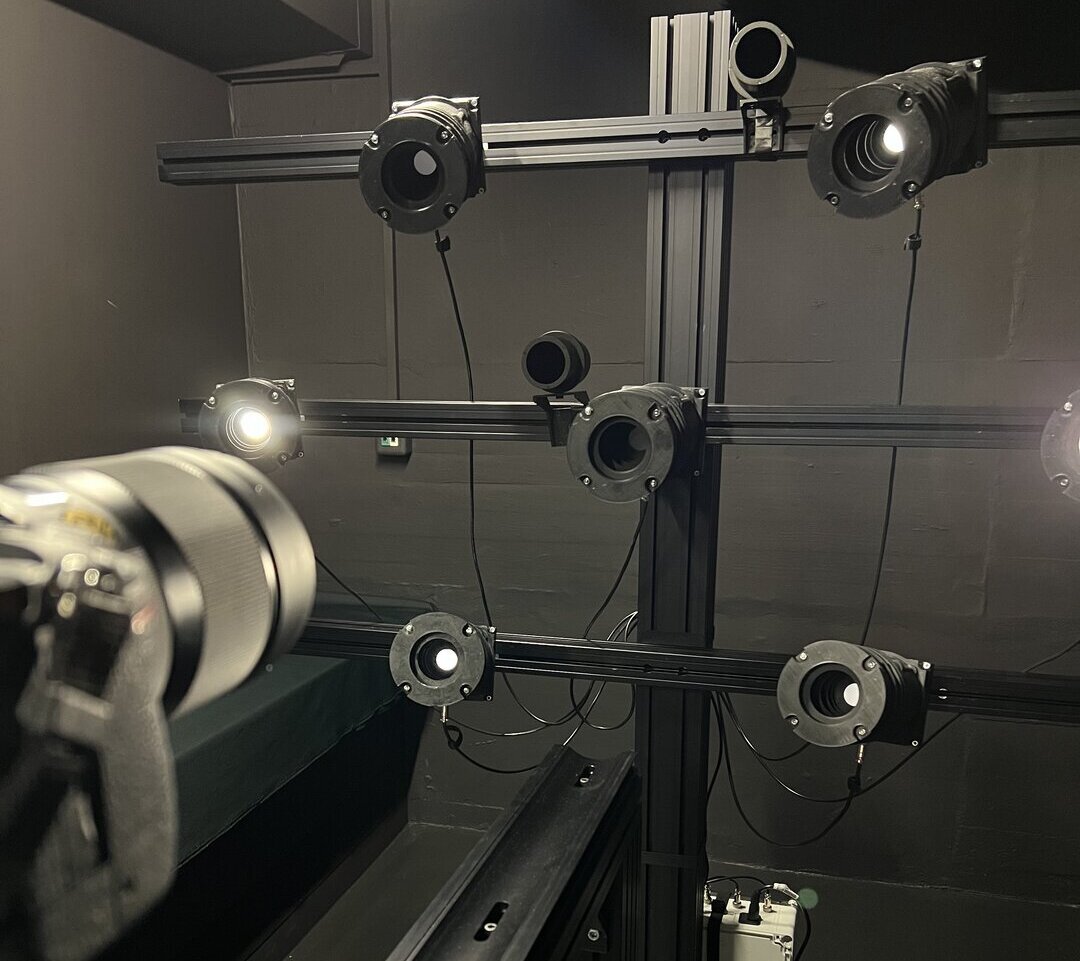
The consortium published a report (design guide) describing the design, development, and technical specification of a type of high-contrast-luminance reference standard (covering at least 6 orders of magnitude). As an add-on, the design files for 3D-printing are provided.
Consortium Meeting at M36
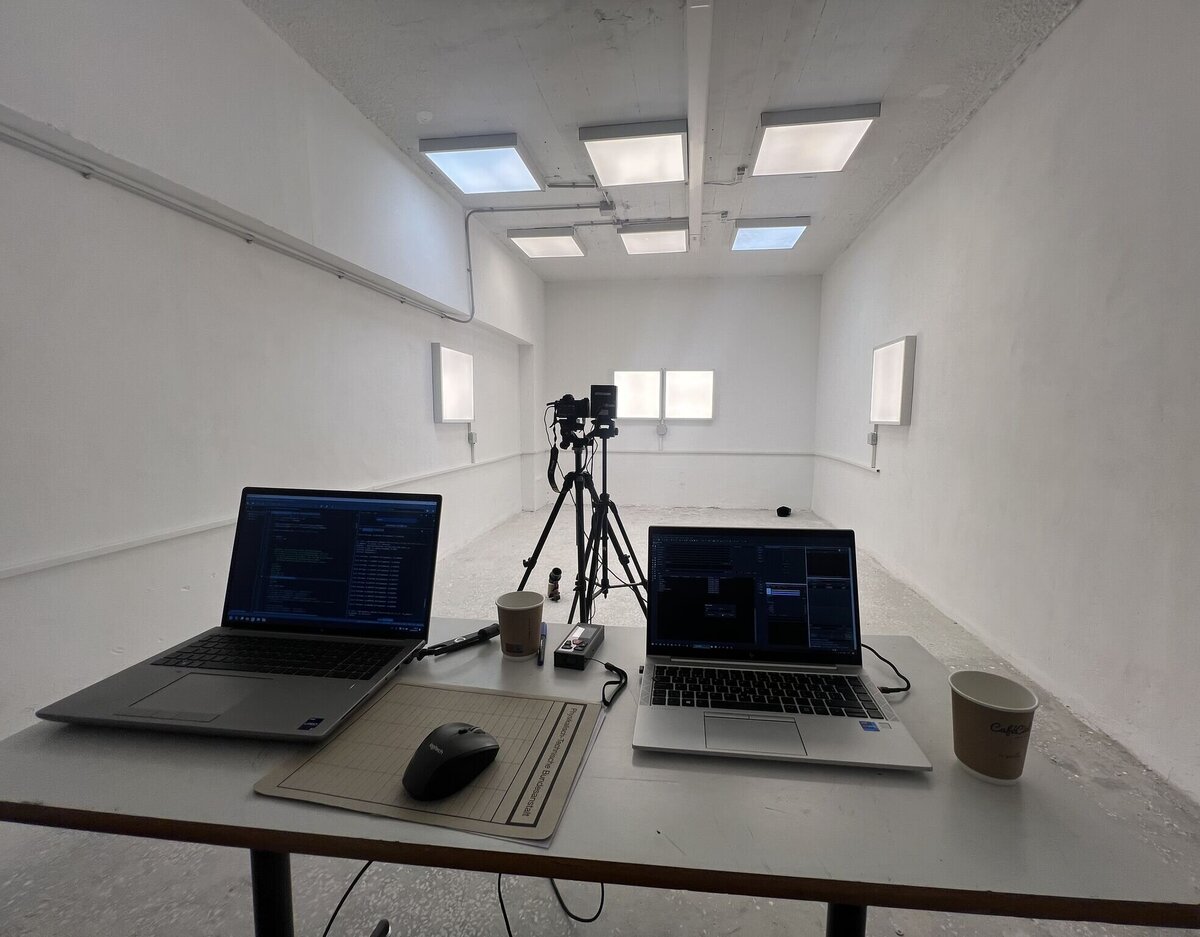
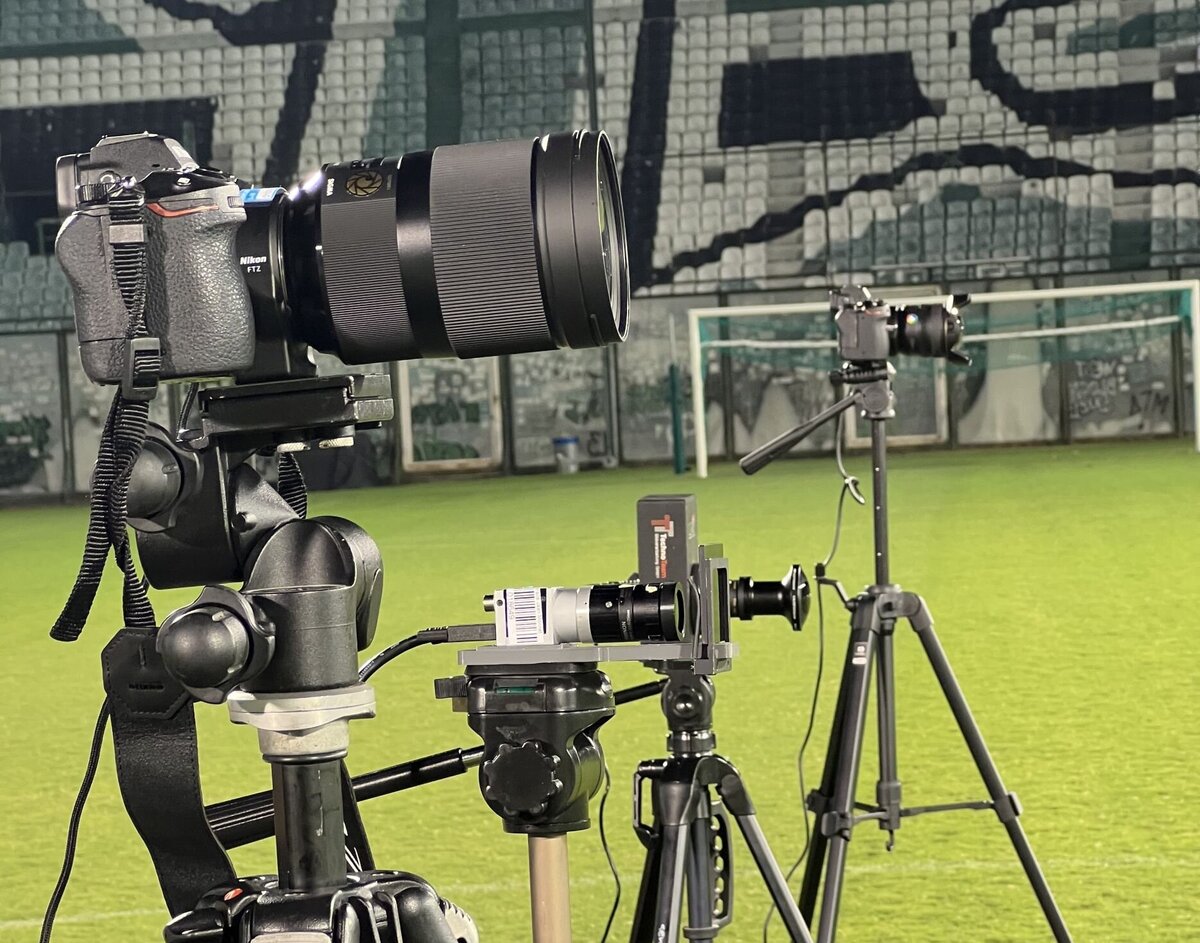
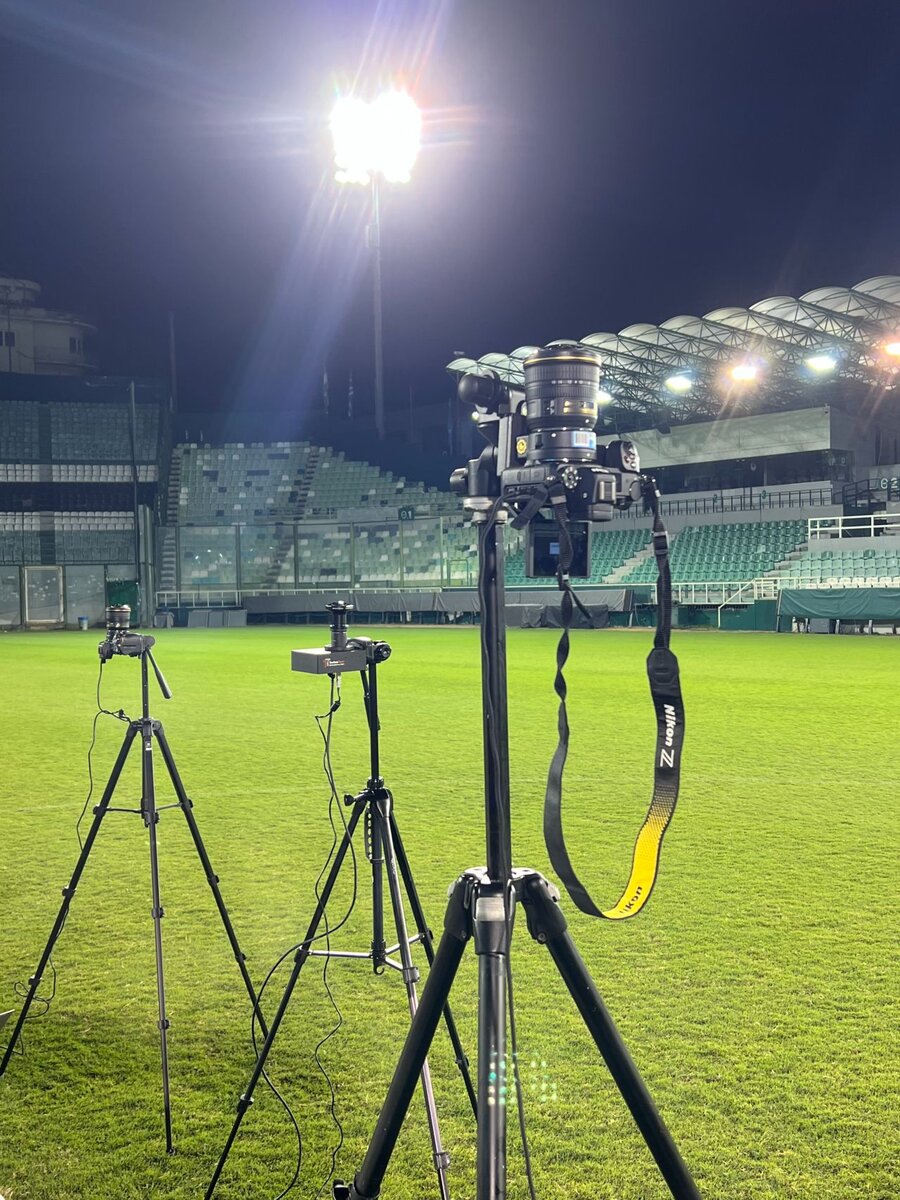
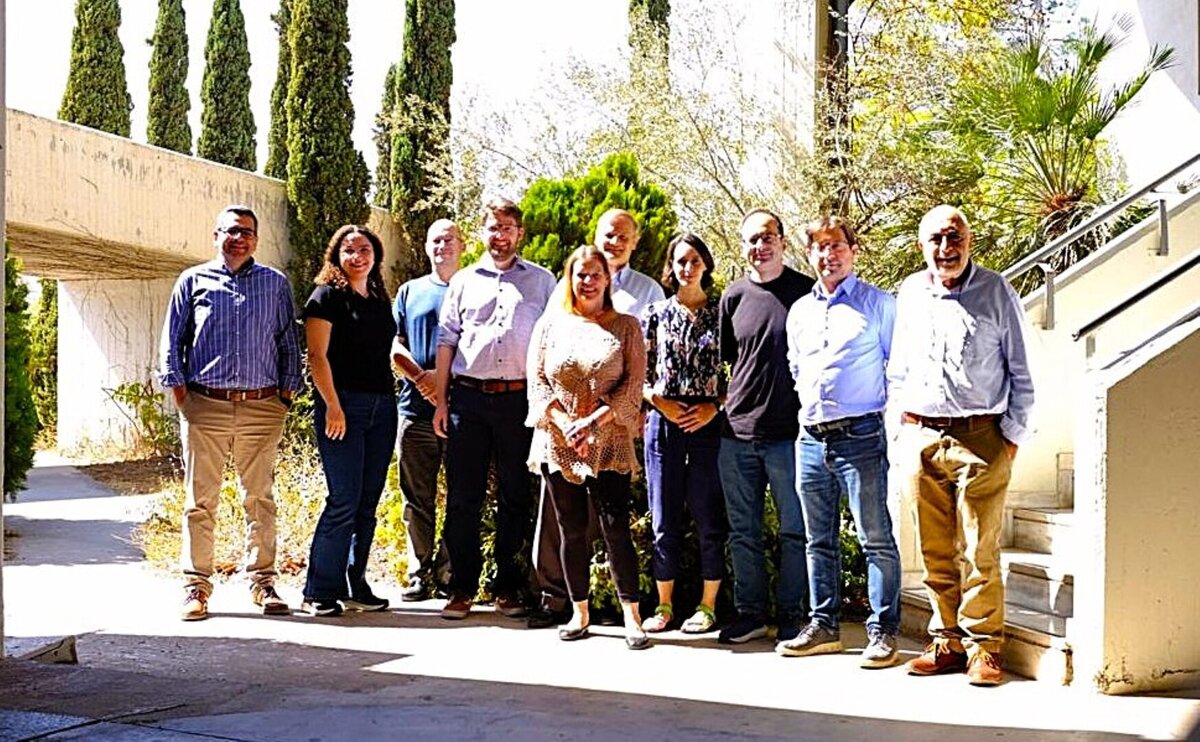
A full consortium meeting had been held as a in-person meeting in M36 (24.-26. September 2025) at the site of ICCSE in Athens, Greece.
During this meeting the consortium held two field-measurement session, one outdoor in the Panathinaiko-Stadion and one at an indoor lighting installation (UGR test room), using differen HDR-ILMDs and generating exemplary datasets for applications of glare assessment.
Radiance and HDR workshop 2025 at EPLF, Lausanne
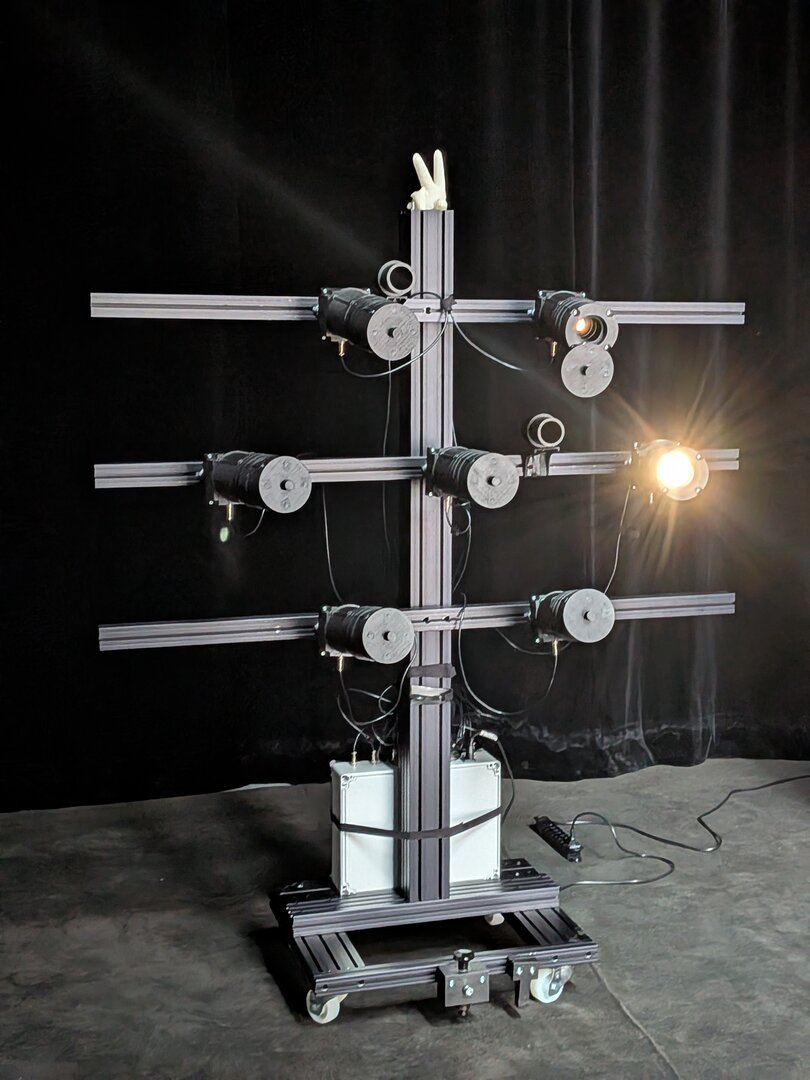
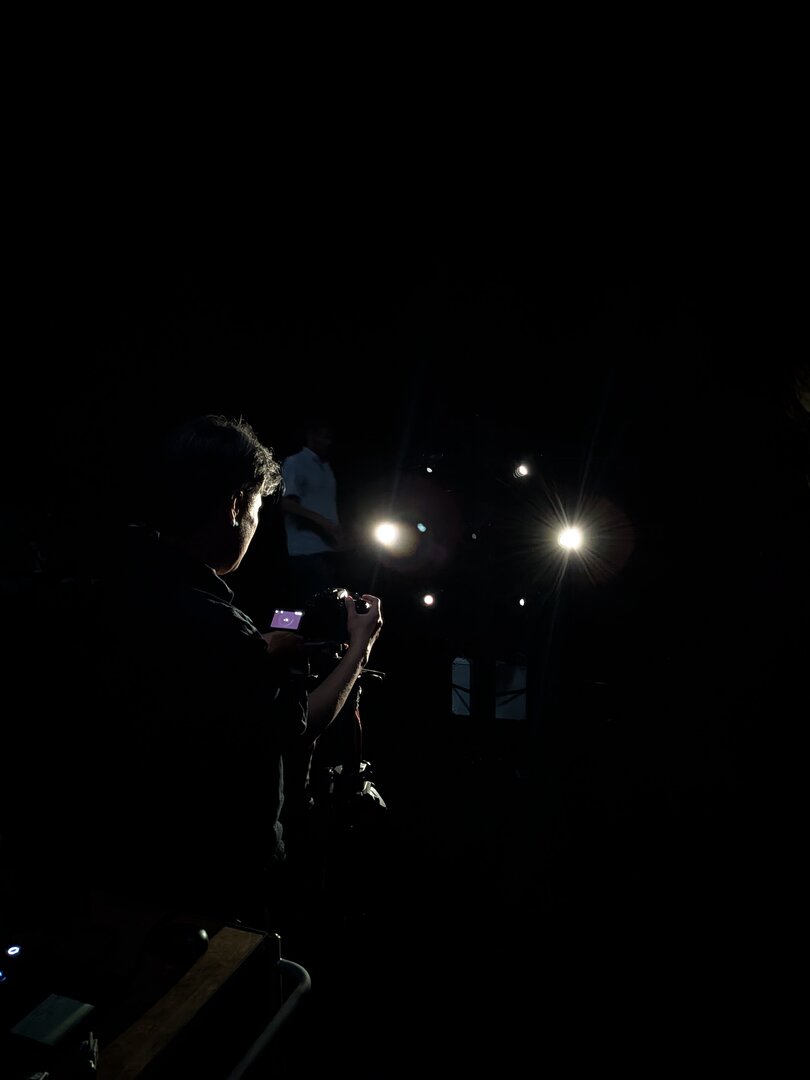
Attached to the radiance workshop (August 27.-28 in Lausanne, Switzerland) representatives of the HiDyn consortium provided a HDR Workshop on Friday, August 29th. This workshop was held as an in-person event at the site of the partner EPFL and attended by more than 28 participants. The workshop included a keynote presentation about the History of HDR imaging, an introduction to the HiDyn project, and in detail presentations of results by four partners of the consortium. These were supplemented with a tutorial on HDR imaging and a practical measurement/calibration session involving the high contrast reference source constructed by the partner METAS.
The registration for this workshop was open to the public. We invited participants to contribute for both the Radiance Workshop and the HDR Workshop! For questions please consult the following email address: radiance_hdr2025(at)epfl.ch
Relevant parts of the HDR Training Workshop are provided as a video recording and/or slides of the presentations.
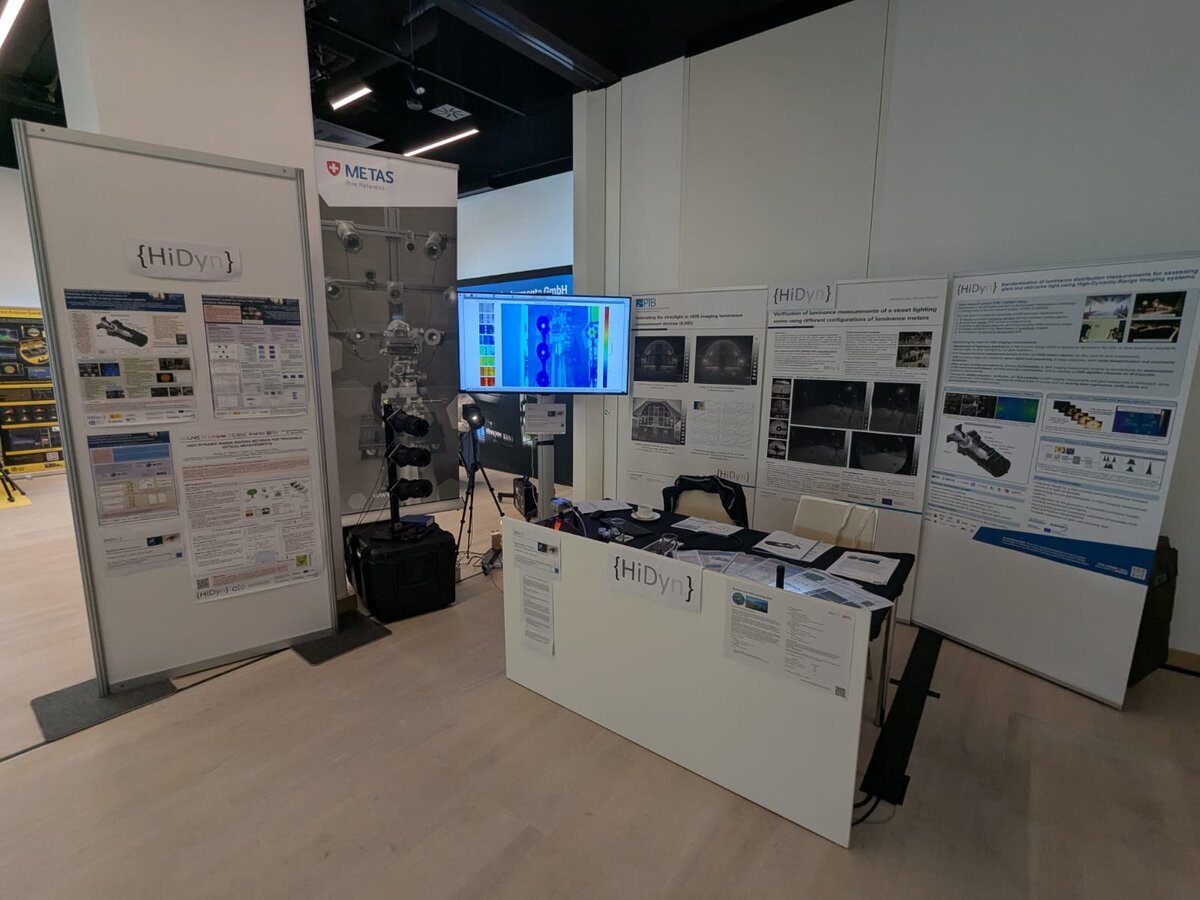
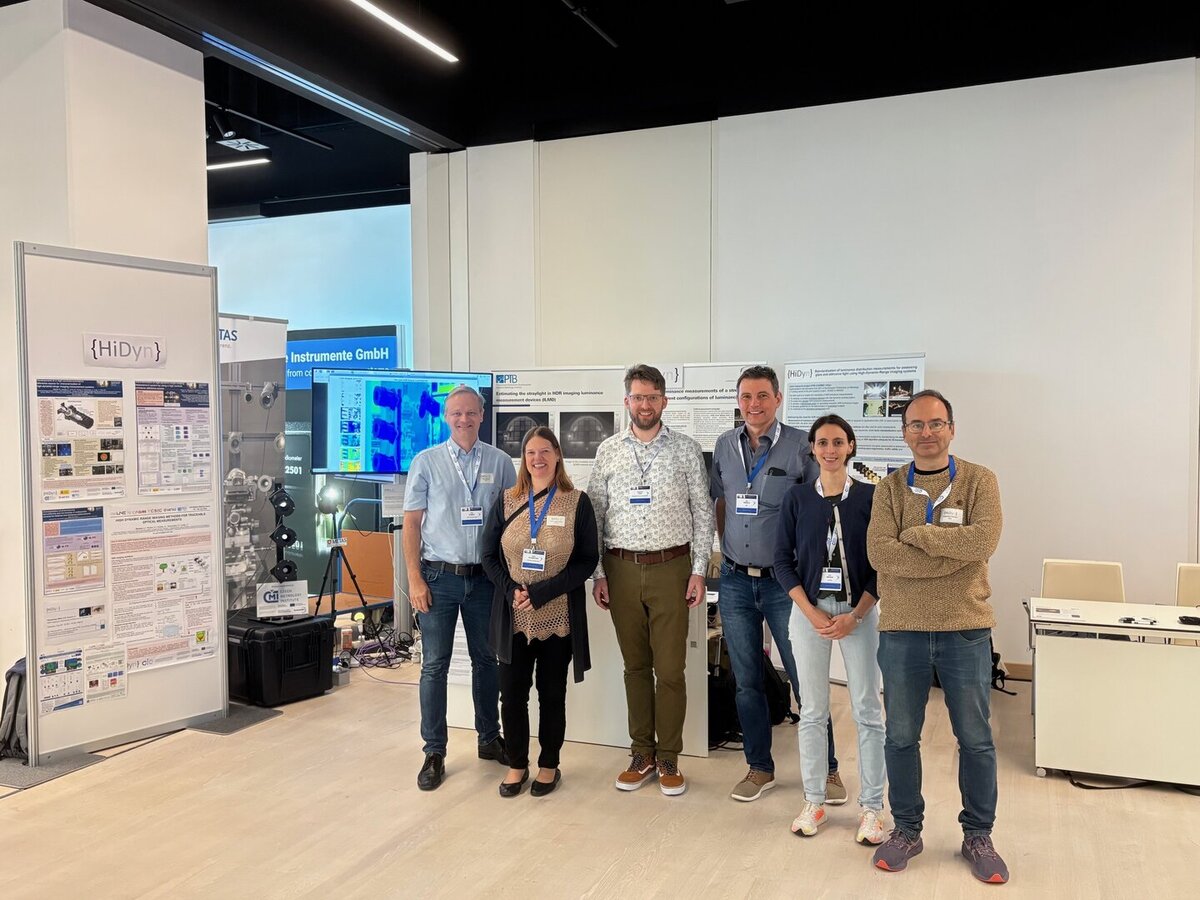
Exhibition Booth at the CIE Midterm Meeting 2025
In parallel to their scientific presentation at the CIE Conference 2025 the consortium presented the JRP and results of the work in an 8m² exhibition booth at the CIE Midterm Meeting 2025 in Vienna, Austria. Beside showcasing modules of the developed high contrast reference source also the drafted design guide and exemplary results from the consortium where promoted.
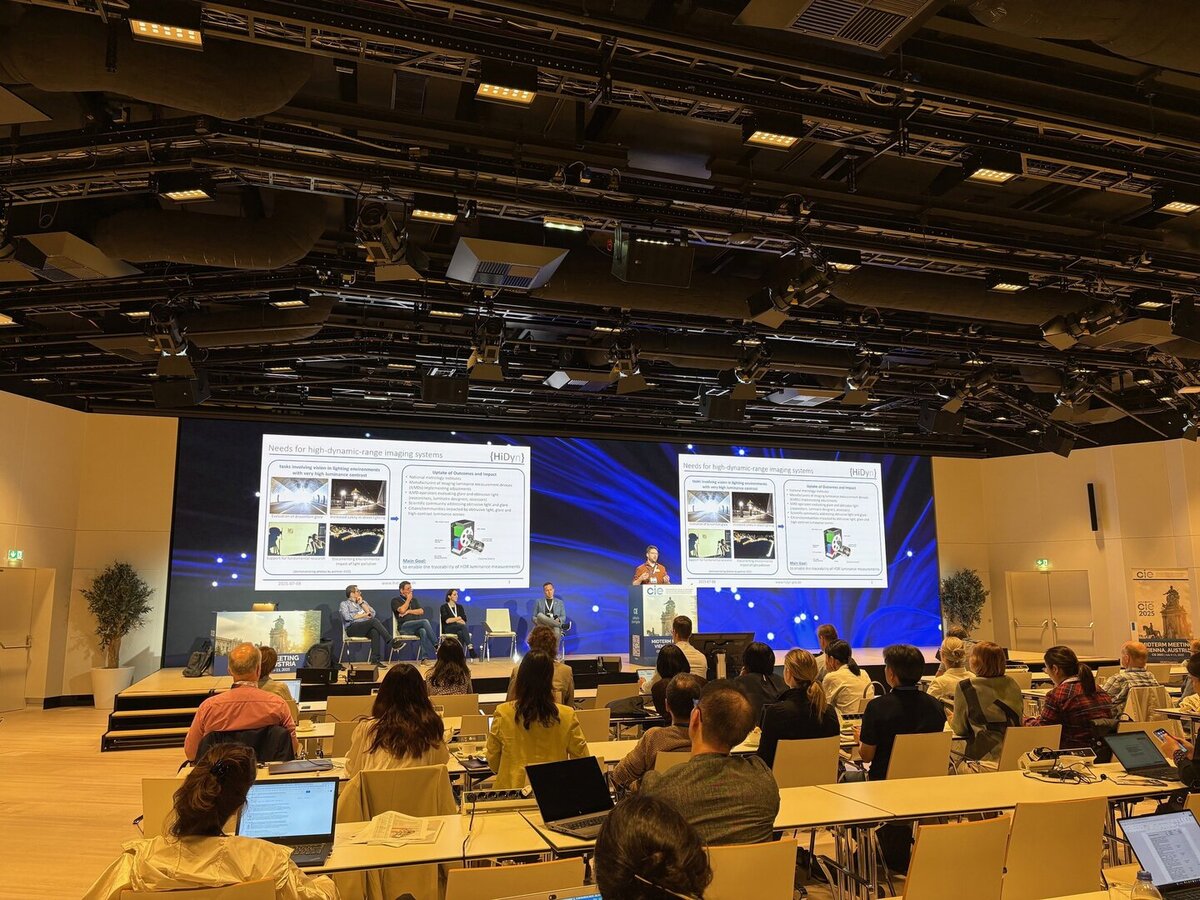
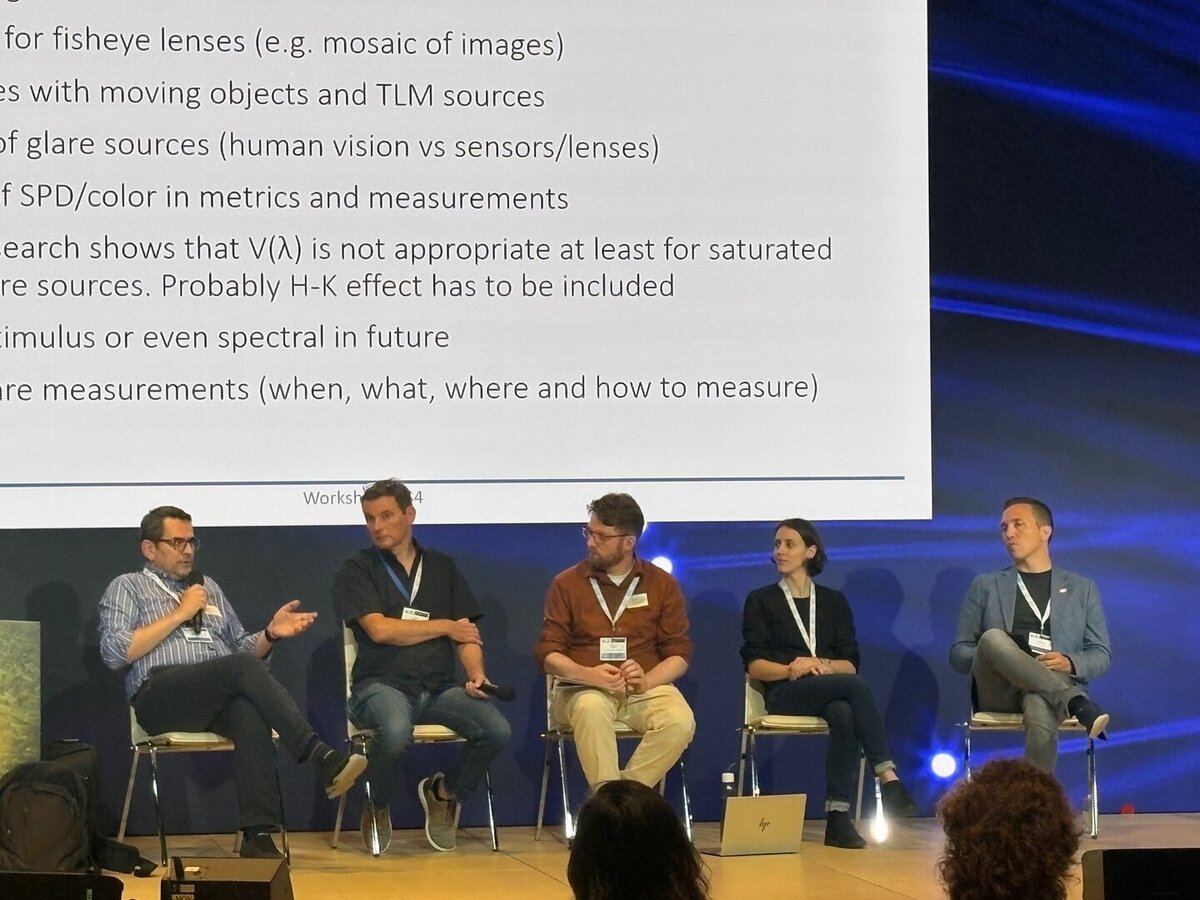
Workshop at the CIE Midterm Meeting 2025
Representatives of the consortium were in charge as the conveener of a workshop "HDR IMAGING FOR ASSESSMENT OF GLARE AND OF OBTRUSIVE LIGHT" which invoved active discussions with stakeholders and was attended by about 150 participants of the CIE Midterm Meeting 2025.

Consortium Meeting at M28
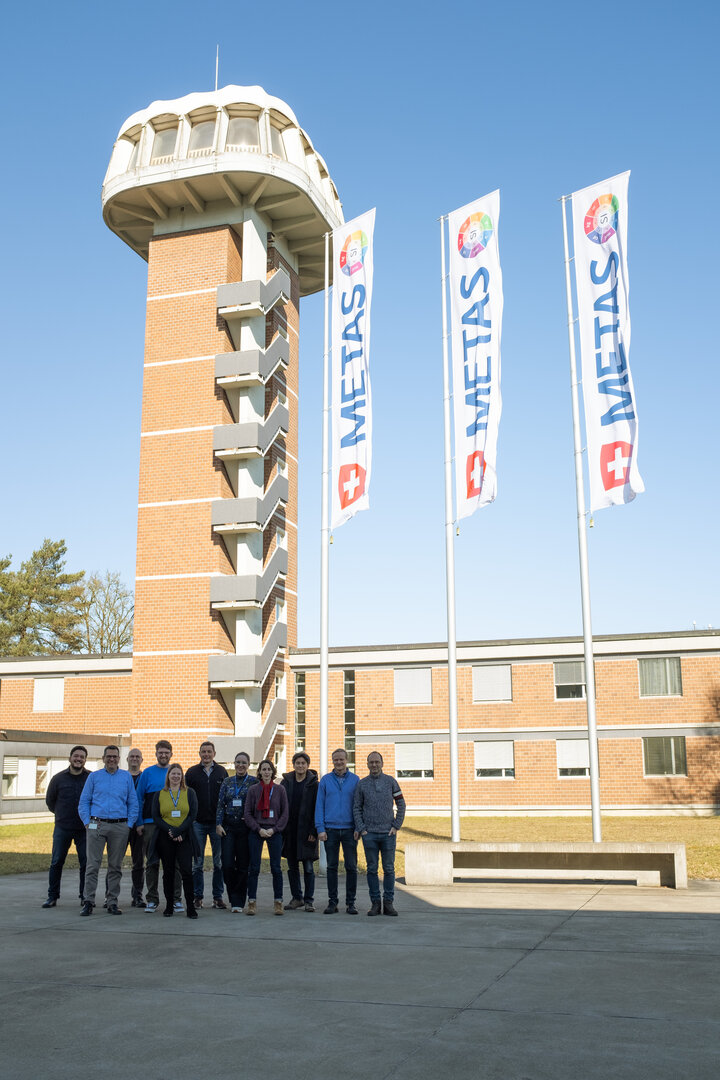
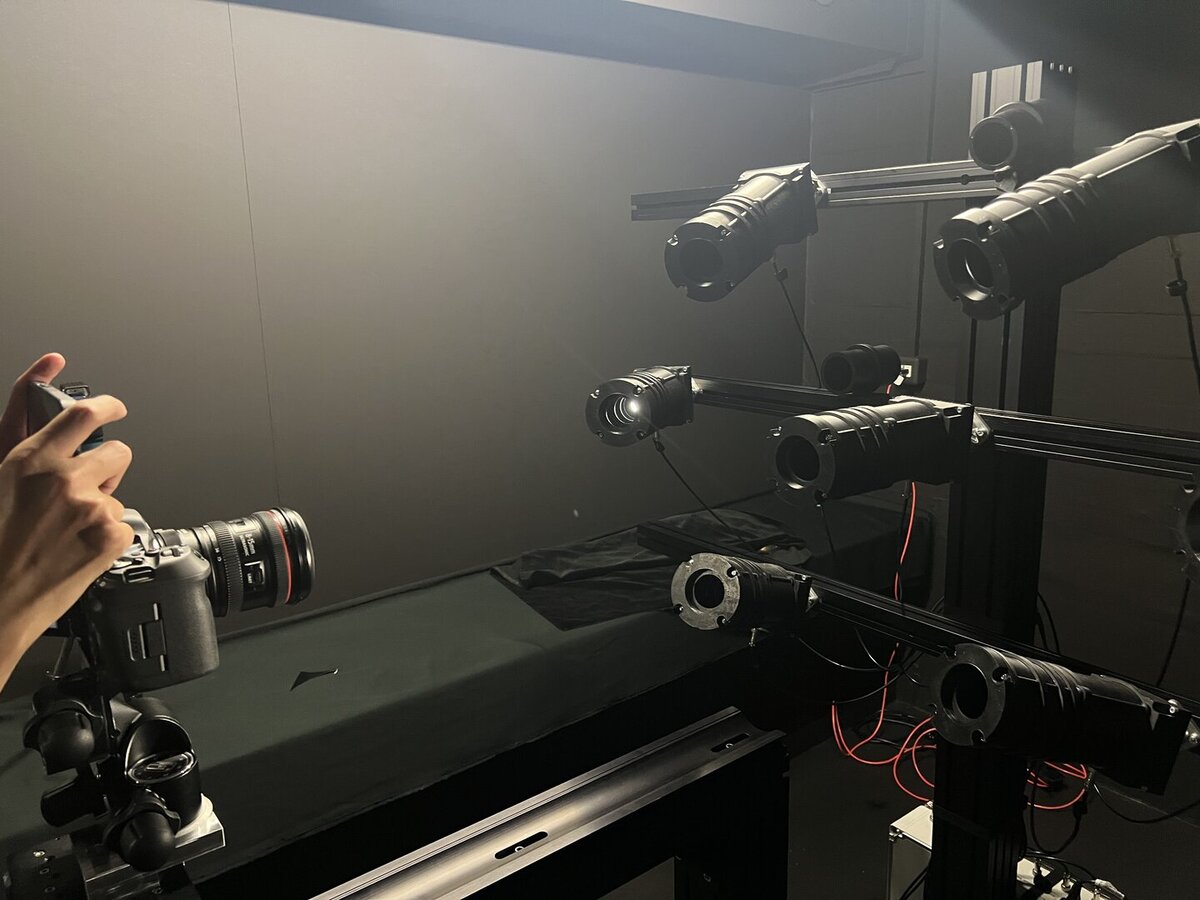
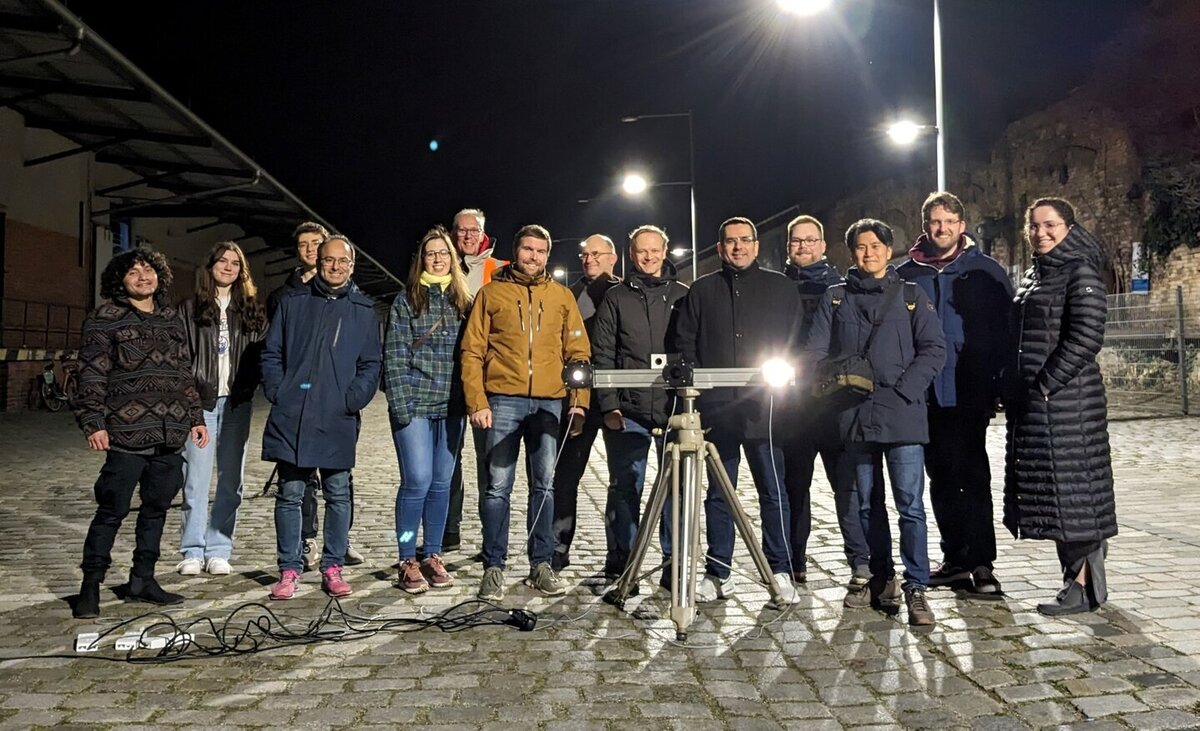
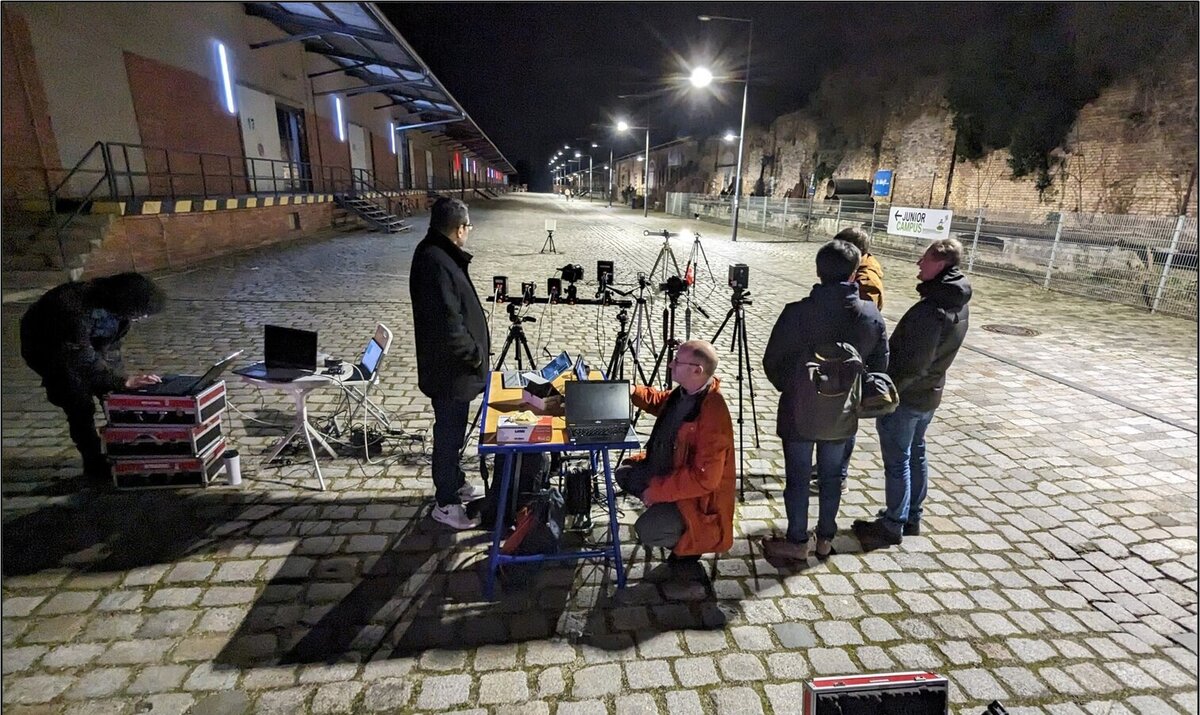
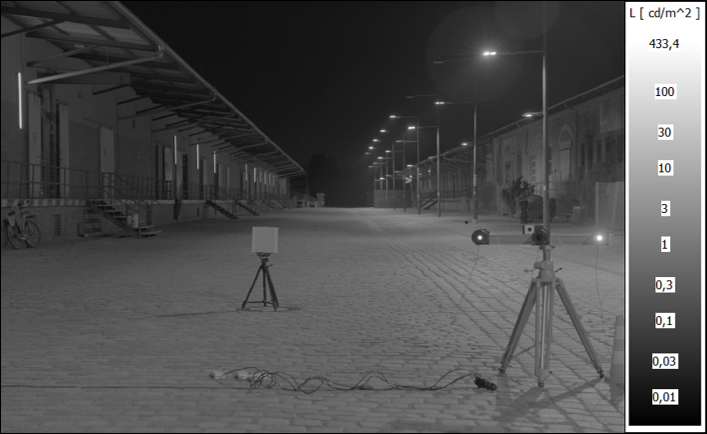
The M27 full consortium meeting had been held as an in-person meeting in M28 (04.-06. February 2025) at METAS in Bern, Switzerland with a few additional online participants. The HiDyni-source replicated at METAS was demonstrated in a lab-tour, based on this the consortium had a detailed consideration of the drafted design guide for the developed high contrast luminance source and modifications (metal in the cover, laser for alignement) introduced by METAS.
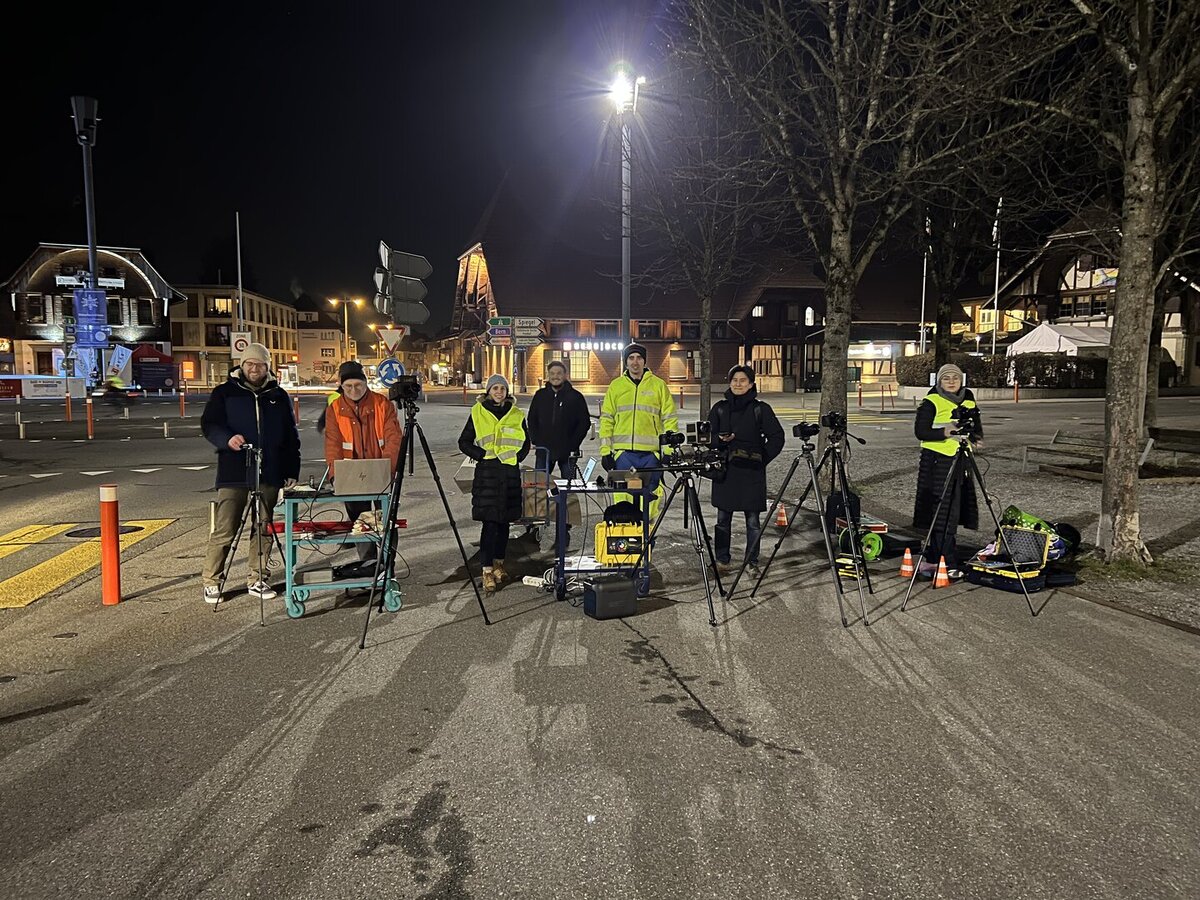
The consortium also held a field-measurement session “Bern bei Nacht” of glare scenes in the city of Bern which was quite cold agenda item and revealed issues regarding temporal light modulation with some of the device configurations used for HDR imaging.
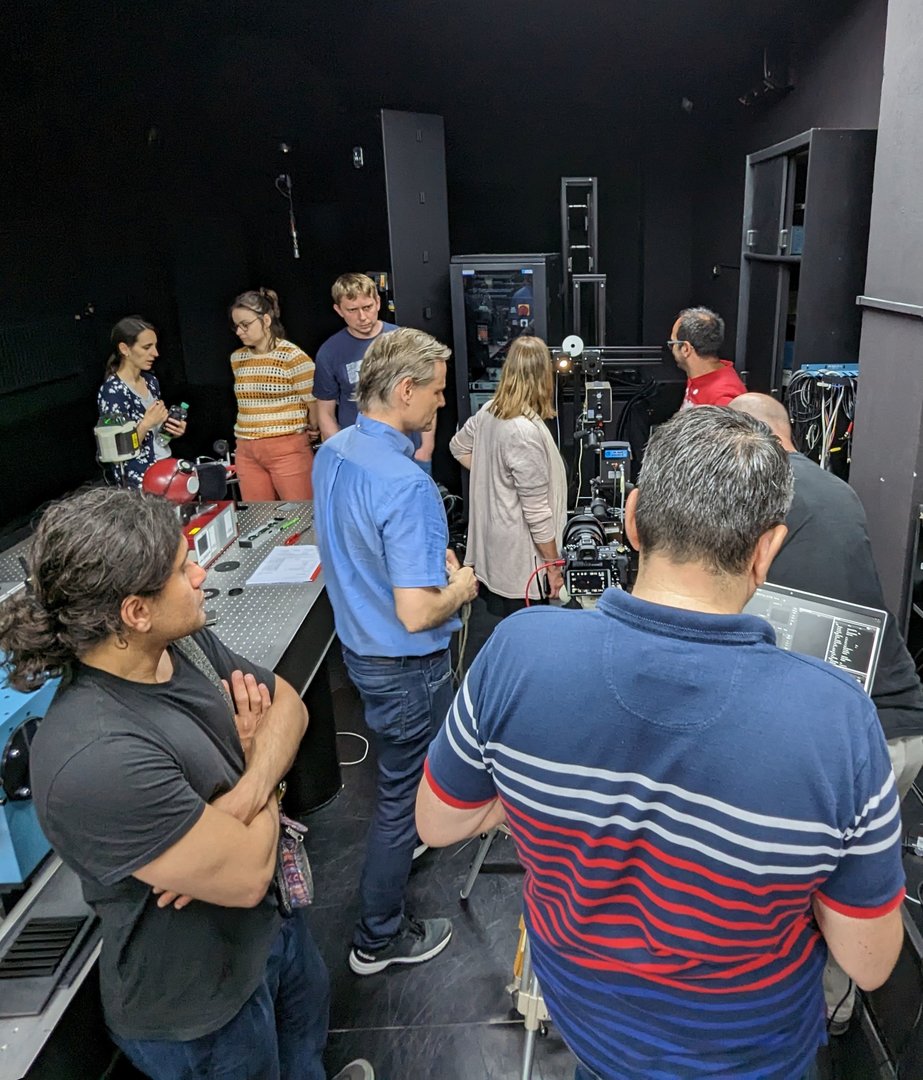
Attached to the meeting five partners spend several hours in a lab session about the the HiDyni source and CIE244 tests, charaterzing their own HDR-ILMD devices and generating exemplary datasets for subsequent analysis.
Consortium Meeting at M18
A full consortium meeting had been held as an in-person meeting in M18 (13.-15. March 2024) at the site of TUB in Berlin, Germany.
During this meeting the consortium also held a field-measurement session at the LED-catwalk (LED-Laufsteg) of TUB, a street installation for research studies. This stable scene had been equipped with additional targets for evaluation: grey cards, light traps, and the revised prototype of the developed high contrast luminance source (three luminance sources). Beside a spot luminance meter and flicker meter, several ILMDs and DSLRs from five partners have been used in various configurations of focus, aperture, neutral density filter, and lens type.
Lab-based measurement session using the high contrast luminance source prototype
A lab-based measurement session was held at the lab of CMI in Prague on 05.-07.03.2024 together with partners CSIC and METAS for characterizing ILMDs and industrial vision cameras using seven prototypes of the revised high contrast luminance source. By various arrangements of sources and ILMD configurations (lenses, aperture) the characteristic of HDR lumiance measurement devices where investigated, i.e. also regarding out-of field straylight.
M09 reporting to the funding organization
In October 2023 the M09 repording documents of HiDyn have been accepted by the funding organization. The Data Management Plan of HiDyn and an updated Publishable Summary reflecting the status achieved at M09 are accepted by MSU and provided open access as Impact Documents.
Consortium Meeting at M12
An ad-hoc Consortium Meeting and discussions of the Workpackage leaders were held attached to the CIE Quadrennial Session of the CIE 2023 in Ljubljana, Slovenia in September 2023. Beside discussing conference contributions from HiDyn the current status of reporting and implementation as well as upcoming items had been adressed.
Consortium Meeting at M09
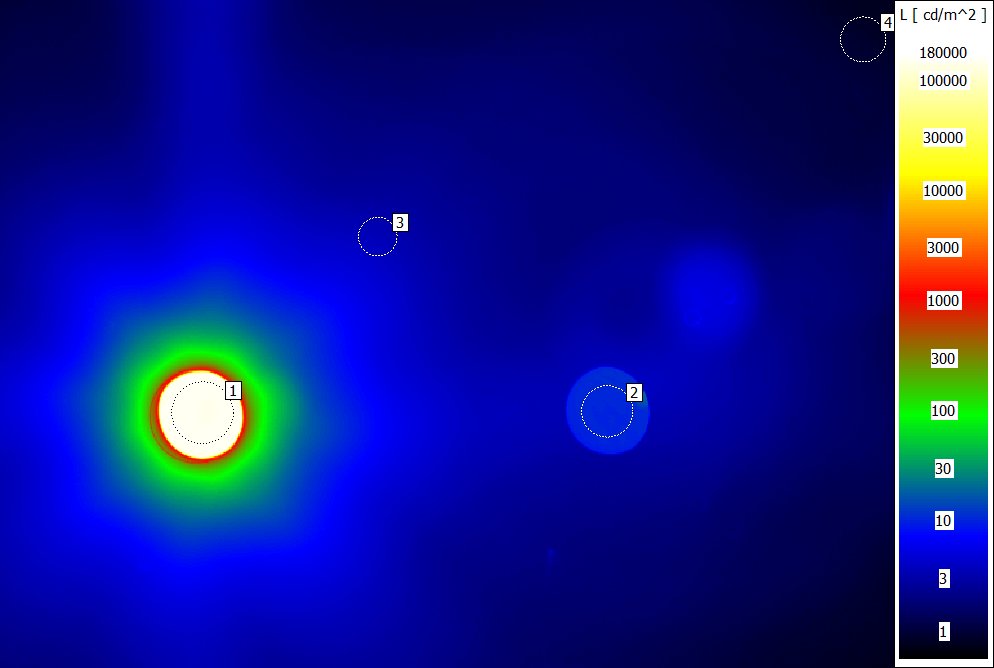
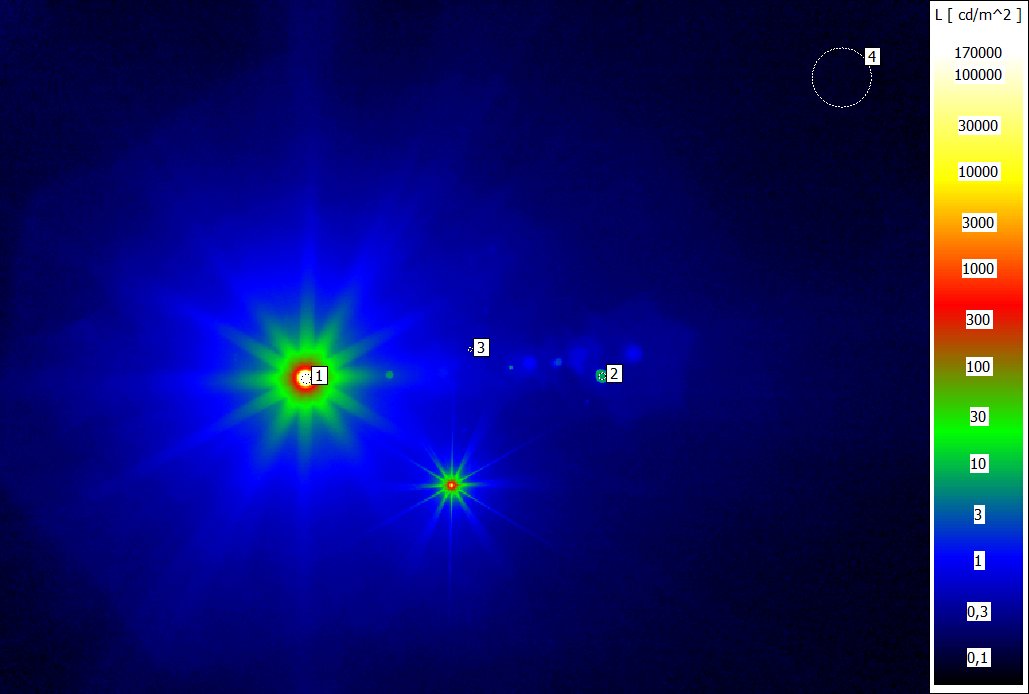
A full consortium meeting was held as an in-person meeting in M09 (7.-9. June 2023) at the site of CMI in Prague, Czech Republic.
During this meeting the consortium also had a hands-on in the lab of CMI, namely performing tests with a prototype of the high-contrast luminance source setup (including also a light trap and a small source for demonstrations of diffraction effects and ghosts images) using different luminance meters including image luminance measurement devices.
First Publishable Summary of HiDyn released
The final version of the first Publishable Summary of HiDyn to be disseminated was prepared during the first month of the JRP, accepted in December 2022 by the funding organization, and is available for download at the subpage Impact. This Publishable Summary will be reviewed and updated by the consortium at each reporting period.
First Stakeholder Meeting
The first Stakeholder Meeting of the JRP 21NRM01 HiDyn will be held on October 13th 2022 at 17:00 local time as an in-person meeting at the site of ICCS attached to the CIE Division 2 Meeting 2022 in Athens. Online-attendees of the CIE D2 Meeting will have the chance to attend remotely.
During this meeting representatives from the HiDyn consortium will give an overview on the JRP and its objectives with a focus on the WPs and tasks. By a detailed view on the deliverables and aimed contributions to CIE TCs is intended to get in contact with additional stakeholders and to gain feedback aligning the implementation an dissemination.
Kick-off Meeting
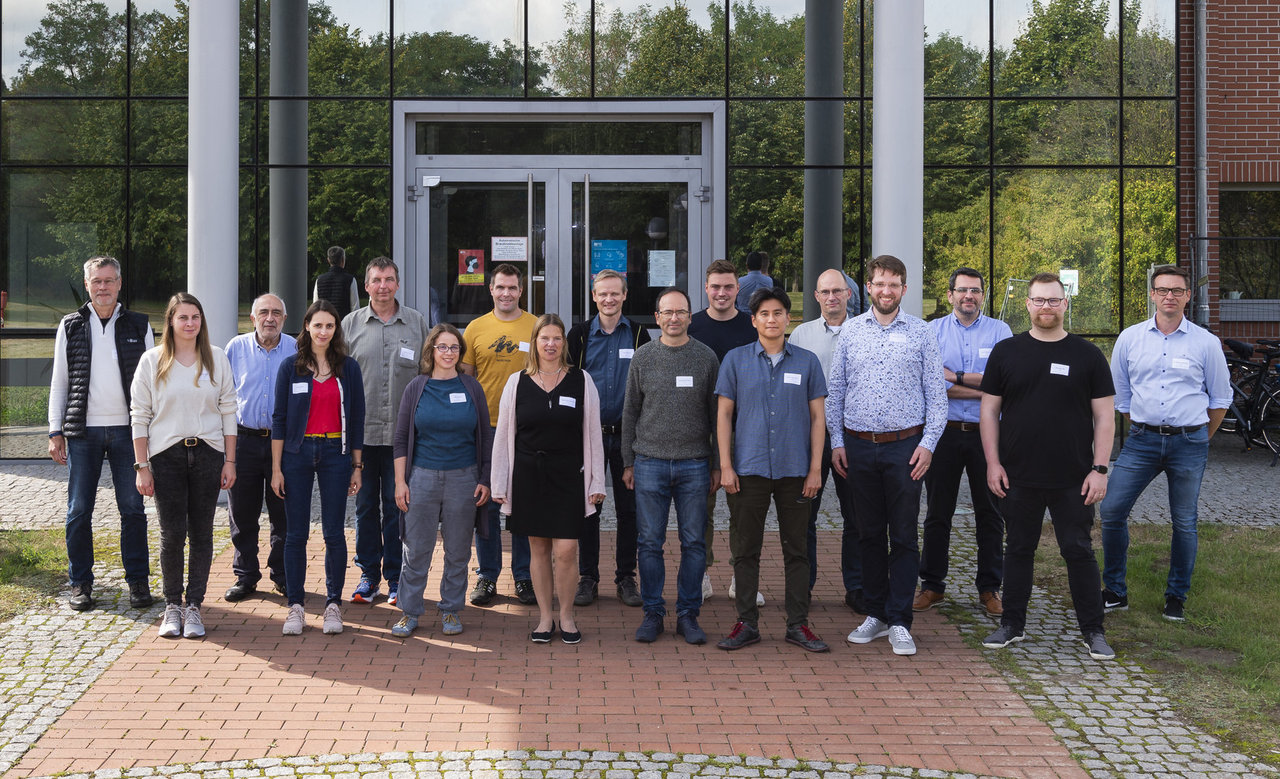
The kick-off meeting of the EPM JRP 21NRM01 HiDyn was held on 12th and 13th September 2022 (i.e. prior to the formal start date 1st October) as an in-person Meeting at PTB Braunschweig with the option to attend a majority of the agenda items via a video conference. All content on the beamer was presented via screen-sharing in a web-meeting. Oral discussions from the meeting room were shared via a speakerphone into this videoconference so that the remote participants were able to contribute as well.
Sixteen participants from nine partners and one potential collaborator participated in the meeting. Fourteen persons attended the meeting in-person and one partner (METAS) participated only online. In addition, additional participants of two partners also attended online during selected parts of the meeting.